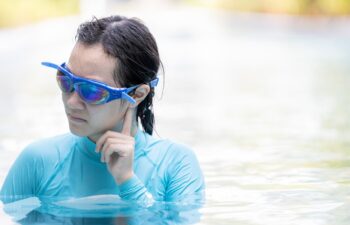
Your backyard pool is the heart of summer fun in Atlanta. From weekend barbecues in Buckhead to lazy afternoons in Sandy Springs, swimming pools bring families together and create lasting memories. But behind every splash and cannonball lies a responsibility that every pool owner must take seriously: water safety.
Drowning remains the leading cause of death among children ages one to four, and the statistics are sobering. Approximately 358 children fatally drown in pools or spas each year in the United States, with 75 percent of those victims under five years old. Even more alarming, 81 percent of fatal child drownings occur in residential settings, including at the victim’s home or at the home of a family member, friend, or neighbor. These tragedies happen quickly, silently, and often when a child was not expected to be near the water at all.
The good news is that drowning is preventable. With the right precautions, awareness, and layers of protection, Atlanta families can enjoy their pools safely throughout the swimming season and beyond.
Why Drowning Happens Faster Than You Think
One of the most dangerous misconceptions about drowning is the Hollywood version we see in movies. Real drowning doesn’t involve dramatic splashing, waving arms, or calls for help. In reality, drowning is fast and silent, happening in as little as 20 to 60 seconds. A drowning person often appears vertical in the water, unable to call out because their body is instinctively prioritizing breathing over speaking.
Nearly 69 percent of young children who are found drowned or submerged in swimming pools were not expected to be in or at the pool at all. This means that even during non-swim times, pools pose a significant risk. A toddler can slip away unnoticed in seconds while parents are distracted by a phone call, doorbell, or simply cooking dinner. Understanding this reality is the first step toward prevention.
Creating Layers of Protection Around Your Pool
Effective drowning prevention relies on multiple barriers working together. No single safety measure is foolproof, which is why pool safety experts recommend a layered approach. Research shows that four-sided isolation fences can reduce drowning risk in children under four by up to 63 percent. Consider implementing these critical layers of protection:
- Four-Sided Pool Fencing: install a fence at least four feet high that completely surrounds the pool and separates it from the house and yard. Gates should be self-closing and self-latching, with latches placed out of reach of young children.
- Door And Gate Alarms: install alarms on all doors and gates that lead to the pool area. These alerts notify you immediately if a child accesses the pool without supervision.
- Safety Pool Covers: use a sturdy, ASTM-certified safety cover that can support the weight of a child. These covers add an extra barrier during times when the pool is not in use.
- Compliant Drain Covers: ensure your pool has anti-entrapment drain covers that meet federal safety standards. Teach children never to play near pool drains to prevent suction entrapment.
Active Supervision Saves Lives
Even with physical barriers in place, nothing replaces active adult supervision when children are in or around water. Designating a responsible adult as a Water Watcher during pool time is one of the most effective drowning prevention strategies available. This person should not be reading, texting, or distracted by their phone. Their sole responsibility is watching the water.
During pool parties and gatherings in communities like Dunwoody, Johns Creek, and Marietta, it’s easy for adults to assume someone else is watching the children. Assign specific time slots to different adults so everyone knows exactly when they’re on duty. Consider using a visual reminder like a lanyard or wristband to identify the current Water Watcher.
Remember that supervision doesn’t stop at the pool edge. Bathtubs, decorative ponds, fountains, and even buckets of water can pose drowning risks for infants and toddlers. After pools, bathtubs are the second leading location where young children drown.
The Life-Saving Value of Swimming Lessons
Research consistently shows that formal swimming lessons significantly reduce drowning risk. For children ages one to four, swimming lessons can reduce the likelihood of drowning by up to 88 percent. The American Academy of Pediatrics recommends that most children can begin learning basic water safety skills as early as age one.
Swimming lessons aren’t just for children. Many adults never learned to swim, and when parents lack swimming skills, their children are unlikely to develop proficient abilities themselves. The Atlanta area offers numerous opportunities for families to learn water safety together, breaking cycles of risk that can span generations.
It’s important to note that even children who have had swimming lessons still require close and constant supervision when in or around water. Swimming ability reduces risk but doesn’t eliminate it entirely.
Preparing for Emergencies
Despite all precautions, emergencies can still happen. Being prepared can mean the difference between a close call and a tragedy. Every pool owner should keep rescue equipment readily accessible near the pool, including a reaching pole, ring buoy, and a phone with emergency numbers programmed.
Learning CPR is one of the most valuable skills any pool owner can possess. Bystanders are often the first people to aid a drowning victim, and CPR performed in the critical minutes before paramedics arrive can save lives. Organizations like the American Red Cross and American Heart Association offer CPR training courses throughout the metro Atlanta area.
If you encounter a drowning emergency and cannot safely pull the person from the water, remember: Reach or Throw, Don’t Go. Find a reaching object like a pole or throw a flotation device rather than jumping in yourself, which can put both of you at risk.
How Proper Pool Maintenance Supports Safety
A well-maintained pool is a safer pool. Clear water allows you to see swimmers and spot anyone in distress. Properly balanced chemicals prevent visibility-reducing algae growth and keep the pool environment healthy. Regular equipment inspections ensure that drain covers, ladders, and diving boards remain secure and compliant with safety standards.
Professional weekly pool maintenance takes the guesswork out of water care and ensures your pool is always swim-ready. When chemical levels are properly balanced and equipment is functioning correctly, you can focus on what matters most: enjoying time with your family while staying vigilant about safety.
Keep Your Atlanta Pool Safe and Swim-Ready with Andy’s Pool Service
At Andy’s Pool Service, we understand that pool ownership comes with tremendous responsibility. Since 1987, we’ve been helping families throughout the Atlanta metro area keep their pools in pristine, safe condition. From weekly maintenance and equipment inspections to renovations and repairs, our team ensures your backyard oasis is always ready for safe swimming.
Serving communities including Alpharetta, Brookhaven, Buckhead, Dunwoody, Johns Creek, Marietta, Milton, Roswell, Sandy Springs, Smyrna, Vinings, and beyond, Andy’s Pool Service is your trusted partner in pool care. Let us handle the maintenance while you focus on making memories and keeping your loved ones safe.
Contact Andy’s Pool Service today at 404-355-8218 to learn more about our weekly maintenance services and discover why we’re Atlanta’s 5-star rated pool professionals.
Posted on behalf of
5024 S. Atlanta Road SE
Atlanta, Georgia 30339
Phone: 404-355-8218
Email: info@andyspoolservice.com
Mon - Fri: 9:00 AM – 4:00 PM
Sat & Sun: Closed